


The Best Time of Year to Clean Solar Panels in Arizona
- Jun 26
- 4 min read
Keeping your solar panels clean is key to getting the most out of your investment. But when is the best time to clean solar panels in Arizona? The answer depends on the unique weather patterns and environmental factors here. I’ll walk you through how Arizona’s climate affects your solar panels and share practical tips on when to schedule cleaning. This way, you can keep your panels working efficiently all year long.
How Arizona Weather Affects Solar Panel Cleaning Schedules
Arizona’s weather is quite different from many other states. It’s mostly dry, sunny, and hot, but it also has some distinct seasons that impact how dirty your solar panels get.
Dust Storms and Monsoon Season
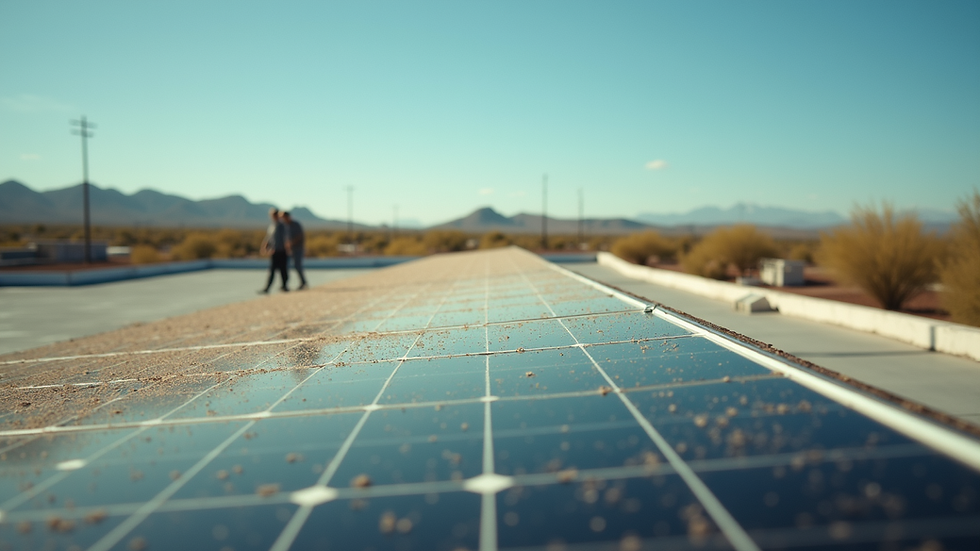
Dust storms, also called haboobs, are common in Arizona, especially in late spring and early summer. These storms can cover your solar panels with a thick layer of dust and dirt. After a dust storm, your panels may lose efficiency because the dust blocks sunlight.
Monsoon season runs roughly from June through September. It brings heavy rains, strong winds, and sometimes hail. The rain can help wash away some dirt, but it also stirs up dust and pollen. Plus, the wind can blow more debris onto your panels.
Pollen and Bird Droppings
Springtime in Arizona means pollen is everywhere. Pollen can settle on your panels and create a sticky film that reduces their ability to absorb sunlight. Bird droppings are another common problem year-round. Birds like to perch on rooftops, and their droppings can be acidic and hard to remove.
Winter Months
Winter in Arizona is mild compared to other states, but it can still bring dust and debris. The cooler temperatures mean less evaporation, so dirt and grime can stick around longer. However, winter is generally a good time to clean panels because the sun is less intense, making cleaning safer and easier.
Heavy Summer Buildup
Summer heat can bake dust, pollen, and bird droppings onto your panels, making them harder to clean. The intense sun also means your panels are working hard, so keeping them clean during summer is important to maintain energy output.
Recommended Cleaning Schedules Based on Your Situation
Your cleaning schedule depends on your location, roof setup, and how much dirt your panels collect. Here are some general guidelines to help you decide when to clean your solar panels.
After Dust Storms or Heavy Winds
If you live in an area prone to dust storms, plan to check your panels right after one passes. A quick cleaning can restore efficiency. You don’t need to clean after every small wind event, but big storms usually call for attention.
During or After Monsoon Season
Monsoon rains can wash away some dirt, but they also bring more dust and debris. It’s a good idea to schedule a cleaning at the end of monsoon season to remove buildup and prepare your panels for the drier months.
Spring Cleaning for Pollen and Bird Droppings
Spring is a great time to clean your panels to remove pollen and bird droppings. This helps prevent sticky residue and keeps your panels clear for the sunny months ahead.
Winter Cleaning for Mild Weather
Winter offers cooler temperatures and less intense sun, making it a safe time to clean your panels. If you didn’t clean in the fall, winter is a good time to do a thorough cleaning.
Regular Maintenance for Heavy Summer Buildup
If your panels get heavy buildup during summer, consider cleaning them every 3 to 4 months. This keeps dirt from hardening and reduces efficiency loss.
Tailoring Your Schedule
If you’re unsure, start with cleaning twice a year: once in spring and once after monsoon season. Then adjust based on how dirty your panels get. Some homeowners find quarterly cleanings helpful, especially in dusty areas.
Solar Panel Cleaning and Related Services
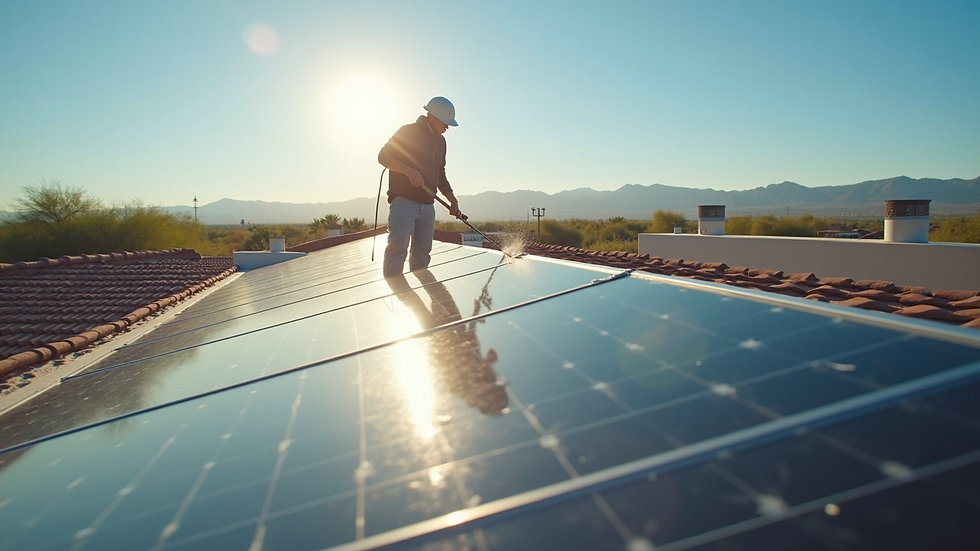
When it comes to cleaning, you have options. You can do it yourself or hire professionals who know how to clean panels safely and effectively. For example, services like Solar Panel Cleaning specialize in removing dust, pollen, and bird droppings without damaging your panels.
If your roof also needs attention, consider combining solar panel cleaning with Roof Cleaning. This can save time and keep your whole roof area in good shape.
For quick answers to common questions, check out the FAQ page. And if you want to know the cost upfront, use the Instant Price Estimator to get a quote tailored to your home.
Where to Find Before-and-After Photos
Seeing is believing. Before-and-after photos show how much difference a good cleaning can make. You can find these photos on the service provider’s website, especially on pages for Solar Panel Cleaning and Roof Cleaning.
These photos help you understand what to expect and show the real impact of cleaning on your panels’ appearance and performance.
Final Thoughts and Next Steps
Arizona’s weather means your solar panels face dust, pollen, bird droppings, and heavy sun. The best time to clean solar panels depends on these factors. Plan cleanings after dust storms, during spring for pollen, after monsoon season, and regularly in summer if buildup is heavy.
Using professional services like Solar Panel Cleaning can make the job easier and safer. Don’t forget to check out related services like Roof Cleaning and use tools like the Instant Price Estimator to plan your cleaning budget.
Keeping your panels clean helps you get the most energy and savings from your solar system. Ready to see the difference a clean panel can make? Reach out today and schedule your cleaning to keep your solar panels shining bright all year long.
Comments