


Signs of Pigeons Nesting Under Solar Panels and How to get rid of them
- Jun 13
- 4 min read
Solar panels are a smart investment for homeowners looking to save on energy bills and reduce their carbon footprint. Yet, one common issue that often goes unnoticed is pigeons nesting under these panels. These birds can cause significant problems that affect both your solar system’s performance and your home’s safety. Knowing how to identify if pigeons have made a home under your solar panels and what to do about it can save you time, money, and stress.
How to Spot Pigeons Nesting Under Your Solar Panels
Pigeons are resourceful birds that seek sheltered, warm, and dry places to build nests. The space beneath solar panels offers an ideal spot. Here are the key signs to watch for:
Droppings Around and Under Panels
One of the most obvious indicators is the presence of pigeon droppings. These droppings are usually white or gray and can accumulate on the roof surface, the edges of panels, or on the ground below. If you notice a sudden increase in droppings near your solar array, it’s a strong sign pigeons are nesting nearby.
Feathers and Nesting Materials
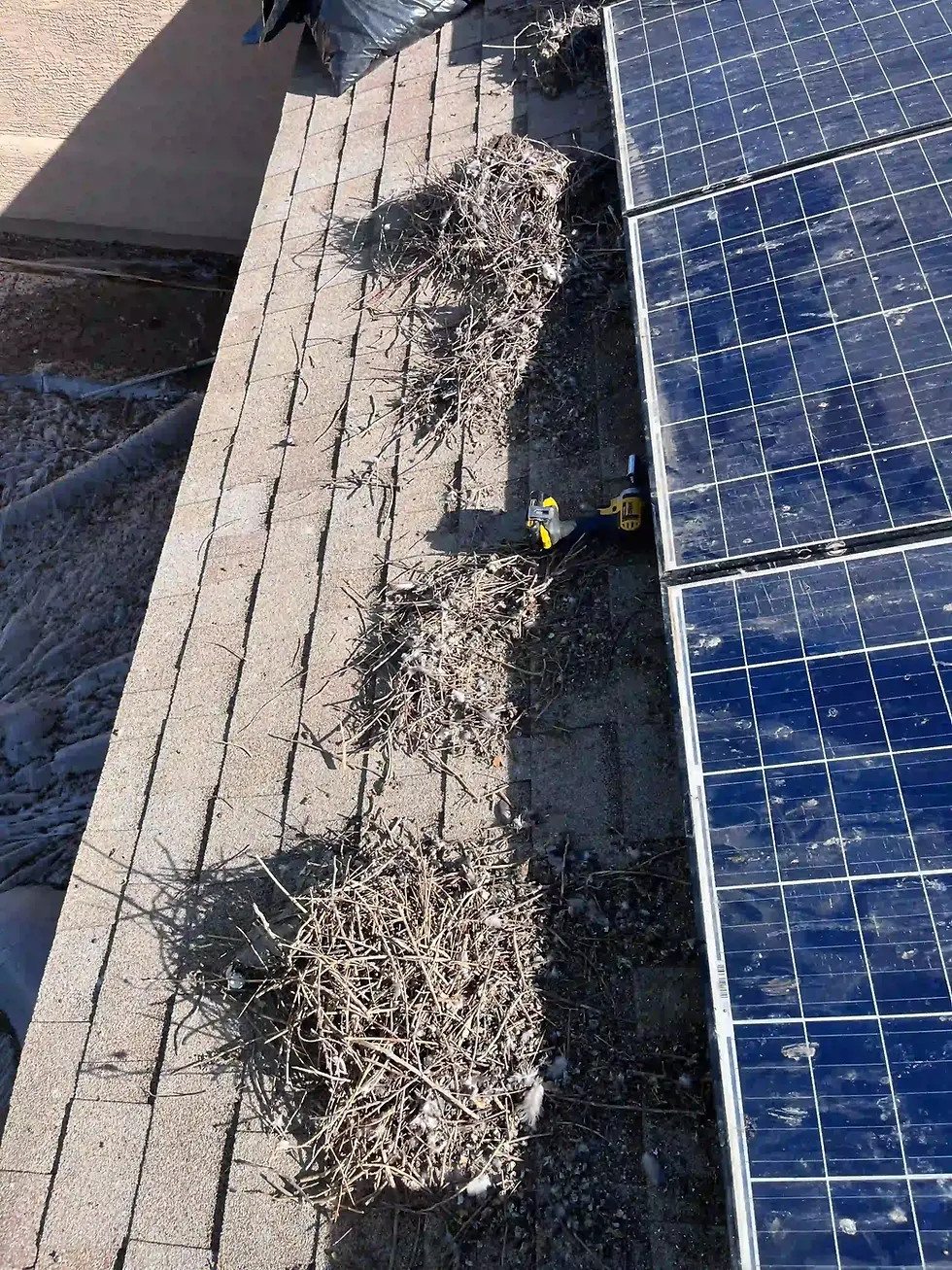
Look closely for feathers scattered around the panels or caught in the wiring and mounts. Pigeons use twigs, leaves, grass, and other debris to build nests. Finding these materials tucked under or around your panels is a clear clue.
Unusual Sounds and Activity
Pigeons are noisy, especially during nesting season. You might hear cooing sounds or see birds flying in and out from under the panels. Early morning or late afternoon are common times for increased activity.
Visible Nests
If you can safely access your roof or use binoculars, check for actual nests. These are usually bulky collections of sticks and debris, often hidden in the gaps between the solar panels and the roof surface.
Problems Caused by Pigeons Nesting Under Solar Panels
While pigeons might seem harmless, their presence under solar panels can lead to several issues:
Damage to Solar Panels and Wiring
Pigeon droppings are acidic and can corrode the metal parts of solar panels and mounts. Over time, this corrosion can reduce the efficiency of your system or cause costly repairs. Additionally, pigeons may peck at or damage wiring, leading to electrical faults.
Reduced Energy Efficiency
Nests and debris can block airflow under the panels, causing them to overheat. Solar panels work best when they stay cool, so overheating can reduce their energy output.
Health Risks
Pigeon droppings can carry diseases and parasites harmful to humans. Accumulated droppings create unsanitary conditions that can affect your family’s health, especially if the droppings enter your home’s ventilation system.
Roof Damage and Leaks
The weight and moisture from nests can damage roofing materials. Over time, this can lead to leaks and structural damage, increasing maintenance costs.
How to Safely Check for Pigeon Nests
Checking for nests under solar panels requires caution to avoid injury or damage to your system.
Use binoculars or a camera with zoom to inspect hard-to-reach areas without climbing onto the roof.
Wear gloves and a mask if you need to get close, as droppings can be hazardous.
Avoid disturbing active nests during breeding season to comply with local wildlife protection laws.
Hire a professional if you are uncomfortable with heights or unsure how to inspect your panels safely.
Preventive Measures to Keep Pigeons Away
The best way to protect your solar panels from pigeons is to prevent them from nesting in the first place. Here are effective strategies:
Install Critter Guard Mesh
The most important and effective measure is installing a critter guard mesh around the edges of your solar panels. This mesh blocks birds from accessing the space underneath while allowing airflow and maintenance access. It is durable, weather-resistant, and designed specifically for this purpose.
Regular Cleaning and Maintenance
Keep the area around your solar panels clean and free of debris. Regularly remove any feathers, twigs, or droppings to discourage pigeons from settling.
Use Bird Deterrents
Visual deterrents like reflective tape, predator decoys, or ultrasonic bird repellents can help keep pigeons away. However, these methods work best when combined with physical barriers like mesh.
Trim Nearby Trees and Shrubs
Pigeons often use nearby trees as launching points. Keeping vegetation trimmed reduces easy access to your roof.
Seal Entry Points
Check for gaps or openings around your roof and solar panel mounts. Seal any holes that pigeons could use to enter.
Final Thoughts on Protecting Your Solar Panels from Pigeons
Pigeons nesting under solar panels is a common problem that can lead to costly damage and health risks. By recognizing the signs such as droppings, feathers, and nesting materials, you can act quickly to address the issue. Regular inspections, safe nest removal, and preventive steps like installing critter guard mesh will protect your investment and keep your home safe.
If you suspect pigeons are nesting under your solar panels, don’t wait. Take action to inspect and install protective measures. Your solar panels will perform better, and your home will stay cleaner and safer.
Comments