


Best Pigeon Deterrent Methods for Solar Panels
- Jun 5
- 4 min read
Updated: Jul 2
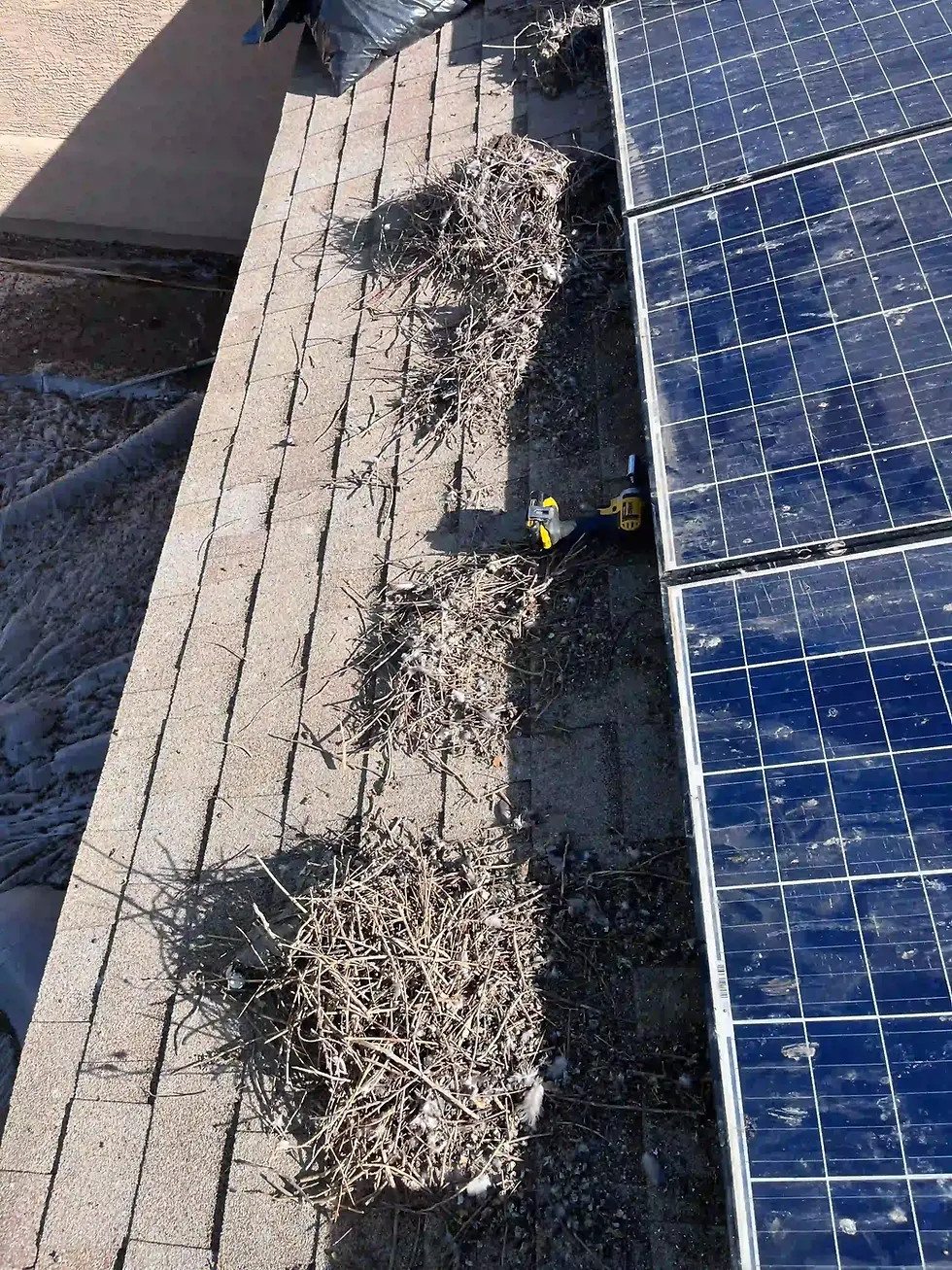
If you have solar panels on your roof, you know how important it is to keep them clean and free from damage. One common problem that many homeowners face is pigeons nesting or roosting under or around their solar panels. These birds can cause a lot of trouble - from blocking sunlight to leaving droppings that damage your panels and roof. Luckily, there are effective pigeon deterrent methods that can help protect your investment and keep your solar panels working efficiently.
Why You Need Effective Pigeon Deterrent Methods
Pigeons are more than just a nuisance. When they settle near your solar panels, they can:
Block sunlight: Pigeons and their droppings can cast shadows on your panels, reducing their efficiency.
Cause damage: Their droppings are acidic and can corrode solar panel surfaces and mounting hardware.
Create health hazards: Pigeon droppings can harbor bacteria and fungi that pose health risks.
Increase maintenance costs: Cleaning up after pigeons and repairing damage can be expensive and time-consuming.
Because of these issues, it’s crucial to implement pigeon deterrent methods that keep these birds away without harming them or your solar panels.

Top Pigeon Deterrent Methods for Solar Panels
Here are some of the best pigeon deterrent methods you can use to protect your solar panels:
1. Install Bird Spikes
Bird spikes are one of the most popular and effective pigeon deterrents. These are strips with long, thin spikes that prevent pigeons from landing or nesting on your solar panels or the surrounding roof area. They don’t harm the birds but make it uncomfortable for them to settle.
Easy to install along the edges of solar panels or roof ledges.
Durable and weather-resistant.
Low maintenance once installed.
2. Use Bird Netting
Bird netting creates a physical barrier that keeps pigeons from accessing the space under your solar panels. It’s especially useful if you have a large gap between the panels and the roof.
Prevents pigeons from nesting or roosting.
Allows airflow and sunlight to reach panels.
Needs to be securely fastened to avoid sagging.
3. Reflective Deterrents
Pigeons unfortunately get used to reflective deterrents and resume to their regular activity.
Easy to install and inexpensive.
Works best when combined with other deterrents.
Often not enough to deter pigeons.
4. Ultrasonic Bird Repellers
These devices emit high-frequency sounds that are unpleasant to pigeons but inaudible to humans.
Non-invasive and humane.
Can cover a wide area.
Effectiveness varies depending on the environment.
5. Regular Cleaning and Maintenance
Keeping your solar panels and roof clean discourages pigeons from settling. Remove any nests or droppings promptly.
Prevents buildup of debris that attracts birds.
Helps maintain solar panel efficiency.
Use professional cleaning services for safety and thoroughness.
If you want to explore more about effective solar panel pigeon deterrent options, there are specialized services that combine cleaning and pigeon proofing for the best results.
What is the 20% Rule for Solar Panels?
You might have heard about the "20% rule" when it comes to solar panels. This rule suggests that shading or obstruction of more than 20% of your solar panel surface can significantly reduce your system’s energy output. Pigeons nesting or roosting under your panels can easily cause this level of shading.
Why does this matter? Because even a small amount of shading can cause a big drop in power production. This happens due to how solar cells are wired together - shading one part can affect the whole panel’s performance.
By using effective pigeon deterrent methods, you can prevent shading caused by nests or droppings and keep your solar panels operating at peak efficiency.
DIY vs Professional Pigeon Proofing
You might be wondering if you can handle pigeon deterrent methods yourself or if you should hire a professional. Here’s a quick comparison:
| Aspect | DIY Approach | Professional Service |
|----------------------|------------------------------------|-------------------------------------|
| Cost | Lower upfront cost | Higher upfront cost |
| Expertise | Requires research and effort | Experienced and trained technicians |
| Safety | Risky if working on roof | Safer with proper equipment |
| Effectiveness | Varies depending on installation | Usually more reliable and lasting |
| Maintenance | You handle ongoing upkeep | Professionals offer maintenance plans|
If you’re comfortable with heights and have some handyman skills, installing bird spikes or reflective deterrents might be doable. But for netting installation or ultrasonic devices, or if you want a thorough cleaning and proofing service, professionals can save you time and hassle.
Tips for Long-Term Pigeon Control
Keeping pigeons away from your solar panels is an ongoing effort. Here are some tips to maintain a pigeon-free environment:
Inspect regularly: Check your panels and roof for signs of pigeons or nests.
Combine methods: Use multiple deterrents together for better results.
Seal gaps: Close any openings where pigeons might enter or nest.
Trim nearby trees: Reduce perching spots close to your roof.
Schedule professional cleaning: Keep panels clean and check for damage.
By staying proactive, you’ll protect your solar investment and enjoy clean, efficient energy for years to come.
If you want your solar panels to stay clean and free from pigeons, using the right pigeon deterrent methods is key. Whether you choose to install bird spikes, netting, or hire a professional, taking action now will save you headaches later. Remember, a little prevention goes a long way in keeping your solar panels shining bright and working efficiently.
Comments